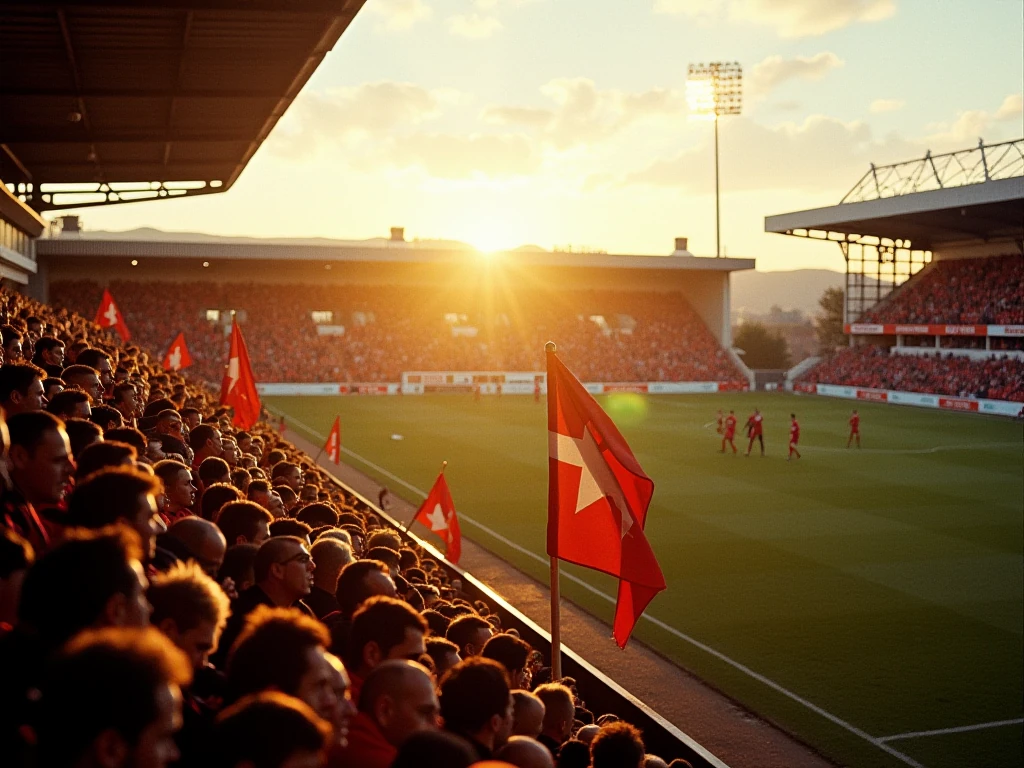

Tactical Tweaks for Partick: Enhancing the Jags' Recent Form
In the heart of Glasgow, as the Jags strive to find their footing in a competitive Scottish Championship, a closer look at tactical adjustments may provide the spark needed to turn recent performances into points. With the season progressing and pressure mounting, it’s essential to assess how the team can adapt its approach to secure crucial victories.
Current Form Analysis
Partick's recent matches have showcased a blend of resilience and struggle, with the side often appearing to lack cohesion in both attack and defence. The team has frequently been caught in transition, losing possession in critical areas, which has led to counter-attacks from opponents. The midfield has shown promise but needs to be more assertive in both recovering the ball and supporting the forwards. Moreover, the Jags have often been too predictable in their attacking patterns, relying heavily on wing play without sufficient variation to unlock defences.
Suggested Tactical Adjustments
1. Formation Flexibility A shift to a 3-5-2 formation could provide Partick with a more solid defensive structure while also giving them the option to transition quickly into attack. With three centre-backs, the Jags can bolster their defensive line against teams that are adept at pressing, while wing-backs can offer width and support in attack. This formation allows for greater control in midfield, enabling players like R. Diack to dictate the tempo and link defence to attack effectively.
2. Midfield Dynamics Introducing a more dynamic midfield partnership could alleviate some of the pressure on the defence. Pairing a ball-winner with a playmaker would allow Partick to regain possession more effectively and create chances. Encouraging the midfielders to interchange positions can also disrupt opposition defensive lines, creating space for forwards to exploit.
3. Increased Offensive Variety To avoid predictability, Partick should incorporate more varied attacking strategies. This could involve utilising short, quick passes to draw defenders out of position, coupled with through balls for strikers to chase. Furthermore, integrating more overlapping runs from the full-backs can stretch defences and create gaps for forwards to exploit.
4. Pressing Strategy Implementing a coordinated high-press strategy can put pressure on opposing defences, forcing mistakes that can lead to goal-scoring opportunities. This requires all players to be on the same page, with forwards initiating the press while the midfield and defence push up to support. By winning the ball higher up the pitch, Partick can reduce the reliance on long balls and create more immediate chances.
5. Set-Piece Focus Finally, enhancing set-piece routines can be a game-changer. Partick should invest time in rehearsing both attacking and defending set-pieces, as these situations often decide tightly contested matches. Creative variations in corner and free-kick routines can catch opponents off-guard and lead to valuable goals.
Conclusion
As the Jags aim to climb the Championship table, these tactical tweaks offer a pathway to revitalising their form. By embracing flexibility in formation, enhancing midfield dynamics, diversifying attacking strategies, adopting a more aggressive pressing approach, and focusing on set-pieces, Partick can transform its recent performances into tangible success on the pitch. The time for evolution is now, and with the right adjustments, the Jags can reclaim their place among the league's frontrunners.