
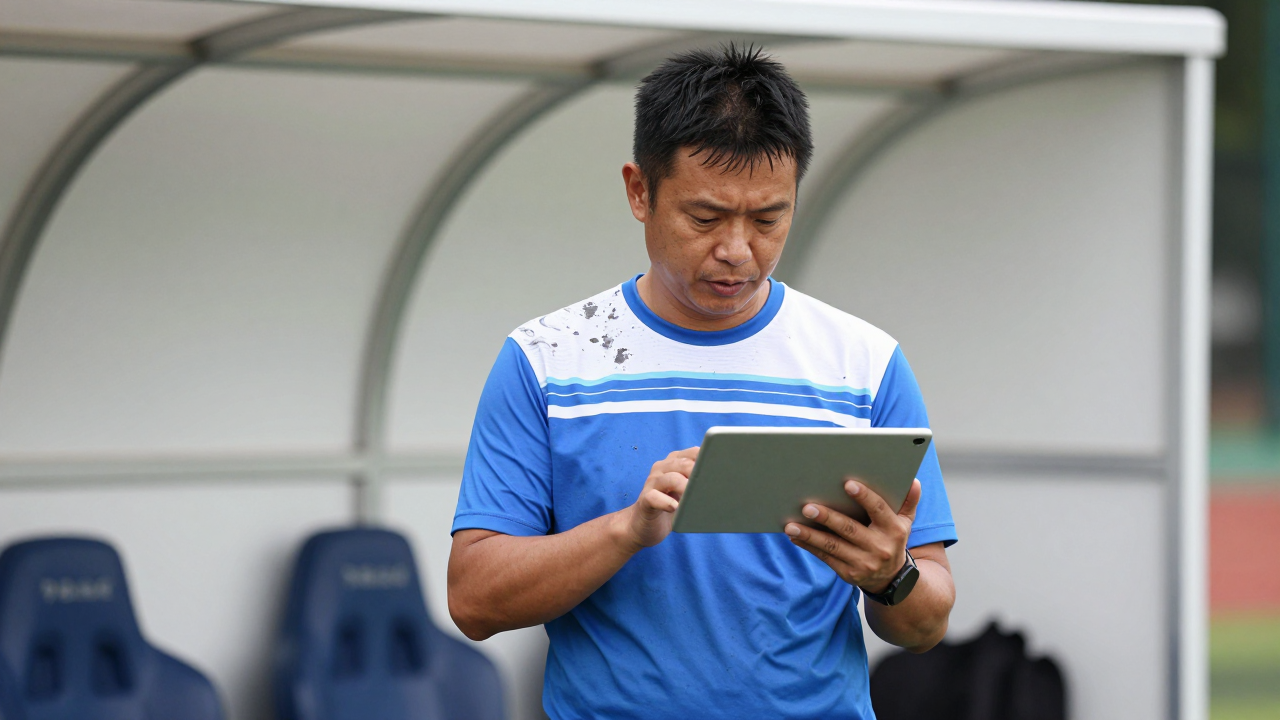
Fine-Tuning Tactics: How The Jags Can Enhance Their Game
Partick Thistle, affectionately known as The Jags, have shown glimpses of brilliance this season, yet consistency remains elusive. Recent matches have highlighted both strengths and weaknesses in their tactical setup, and as the team seeks to solidify their position in the Scottish Championship, a few thoughtful adjustments could make all the difference. Here, we break down their current form and propose tactical tweaks that could elevate their game at Wyre Stadium at Firhill.
Strengths and Weaknesses: A Tactical Overview
In the past few weeks, Partick has demonstrated a commendable attacking prowess, particularly through the flanks, where pacey wingers have been able to stretch defenses. The Jags excel in exploiting space on the wings, often creating numerous scoring opportunities. However, a recurring issue has been their vulnerability in transition, especially when possession is lost in the midfield. Transitioning from attack to defense has exposed gaps that opposing teams have capitalized on.
Defensively, the backline has shown resilience but lacks communication at times, leading to uncharacteristic errors. A more structured approach to defensive organization could help mitigate these lapses, allowing The Jags to maintain a stronger shape when defending against counter-attacks.
Suggested Tactical Tweaks
1. Midfield Pressing and Structure: To enhance their defensive stability, Partick should consider adopting a more aggressive pressing strategy in midfield. By ensuring that the midfield trio works in unison to press the opposition, they can regain possession higher up the pitch, reducing the risk of counter-attacks and allowing them to maintain attacking momentum. This requires R. Crawford to take on a more dynamic role, leading the press and initiating counter-play.
2. Fluidity in Attack: While the wingers have been effective, introducing more fluidity in attack, particularly by allowing the central striker to drop deeper and link play, could unlock even more possibilities. This would create overloads in midfield and allow the wide players to exploit the space created by defenders being drawn out of position. G. Erhabor, with his vision and technical ability, could thrive in this role, providing key passes and maintaining attacking fluidity.
3. Defensive Organization: Implementing a more cohesive defensive structure is essential. Encouraging defenders to communicate more effectively and maintain a tighter line can prevent gaps from forming when the team transitions. L. Budinauckas, as the last line of defense, should work closely with the center-backs to ensure that everyone is aligned in their marking duties, especially during set pieces.
4. Substitutions and Fresh Legs: One area where The Jags can improve is in their substitution strategy. Introducing fresh legs more strategically could maintain intensity throughout the match. By utilizing the full squad depth and making timely changes based on game situations, Ian McCall can keep the team pressing and defending vigorously until the final whistle.
Conclusion
As The Jags aim for a strong finish to the season, these tactical adjustments could provide the necessary edge to convert potential into points. By refining their approach to pressing, enhancing attacking fluidity, tightening defensive organization, and optimizing their substitution strategy, Partick Thistle can elevate their performances and solidify their position in the league. With a little tactical fine-tuning, the future looks bright for The Jags as they continue their quest in the Scottish Championship.